Case study · Customer experience & service design
Improving the passenger experience at Lisbon Airport
The challenge
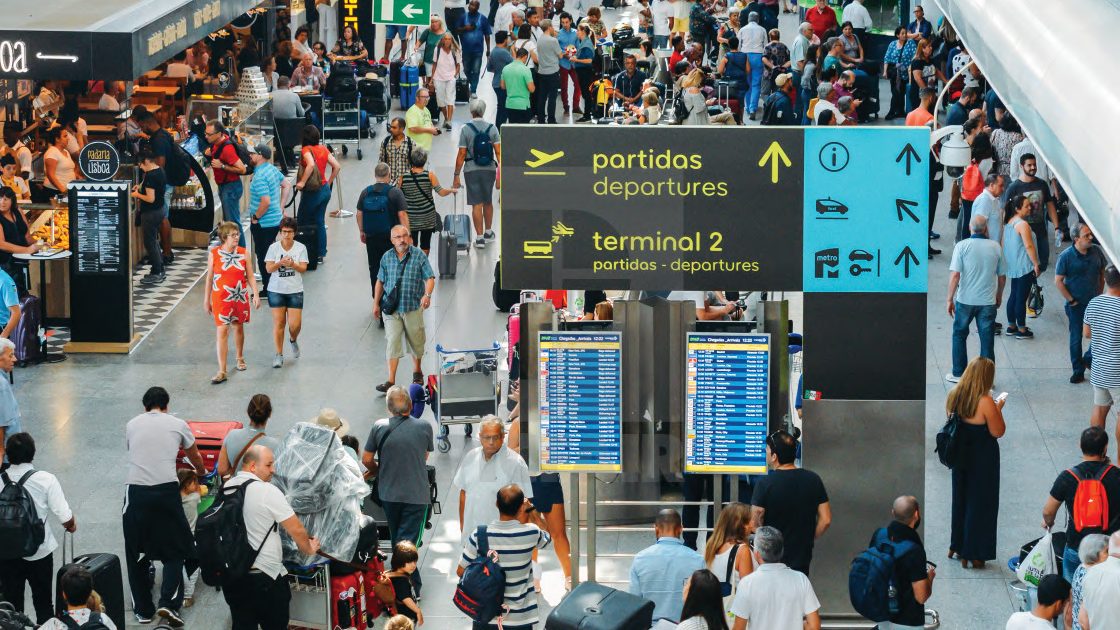
While Porto Airport was repeatedly recognised as one of the best in Europe, Lisbon Airport's passenger numbers were starting to decline, and satisfaction surveys were pointing to clear pain points along the journey.
ANA asked us to bring a human-centred approach to the whole airport: map the end-to-end experience across departures, arrivals and transfers, and define clear strategic priorities for the year ahead.
My role
I led the project and the service design, from research to the strategic priorities presented to the Board.
- Advocated for guerrilla interviews instead of formal ones, which led to 80 conversations and observations with passengers, instead of the 12 originally planned.
- Brought operational and strategic, internal and external stakeholders into the same room, introducing a collaborative, cross-silo way of working within the airport.
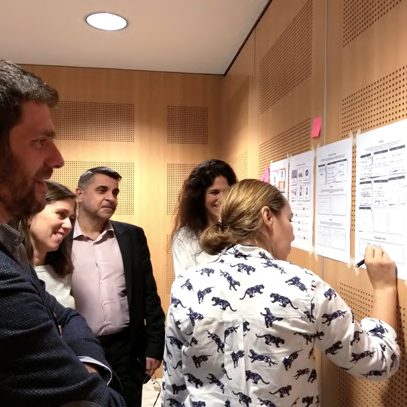
- Designed and facilitated co-creation workshops with 19 stakeholders to build the personas and the journey maps.
- Ran monthly check-ins with the Board of Directors, building a sense of urgency and their buy-in to start experimenting.
The approach
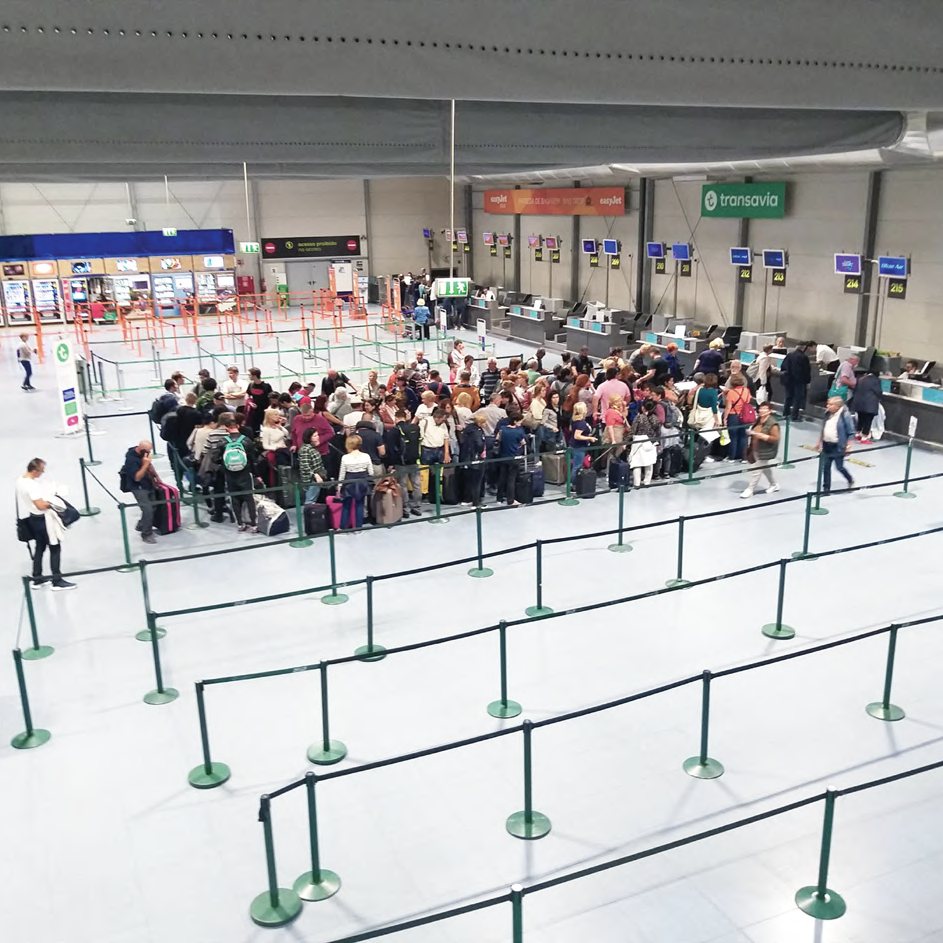
- Immersing: service quality reports, a service safari and three days in the airport with ANA teams from different departments, talking to passengers and observing their journeys.
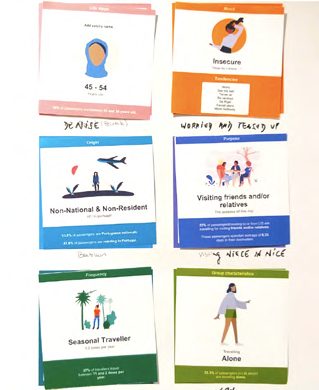
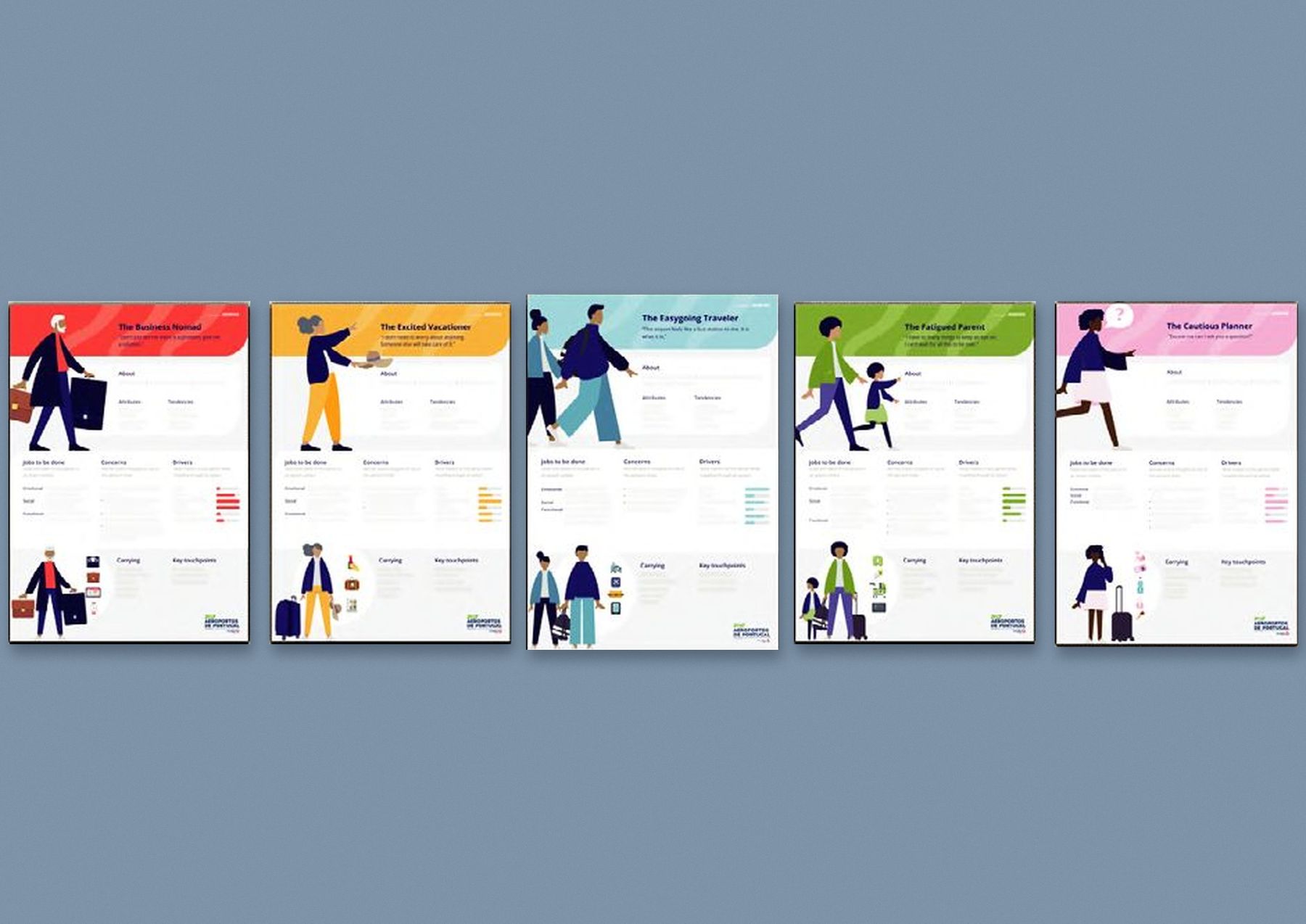
- Passenger profiling: we asked passengers how they felt about travelling through airports, mapped their answers against an academic framework on moods, and turned five mood clusters into five passenger personas.
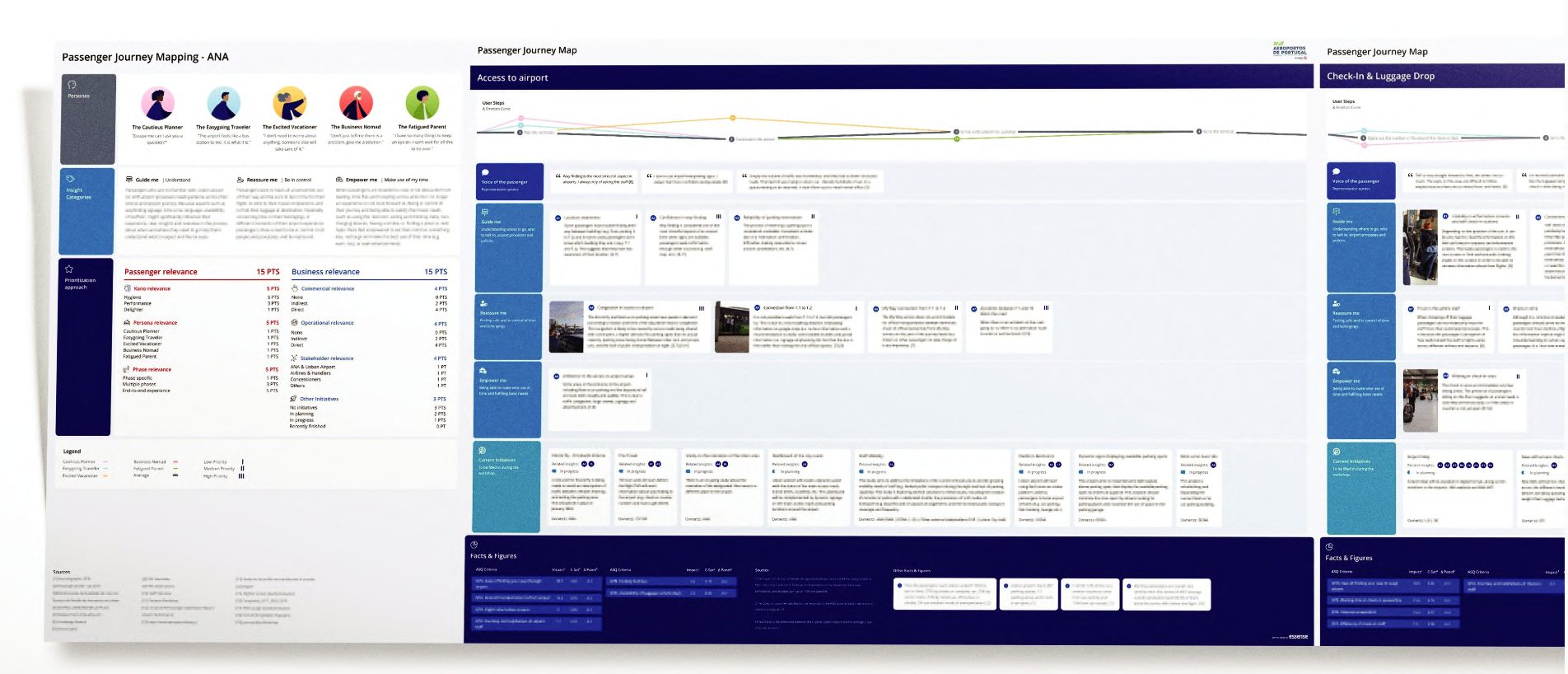
- Journey mapping: quotes, facts and figures from every source, clustered into insights and plotted along the end-to-end journey, together with the initiatives already under way.
- Prioritising: weighting criteria defined with ANA, from both a passenger and a business perspective, to score every insight and choose priorities without bias.
Outcome
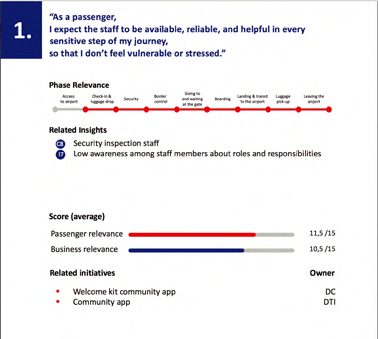
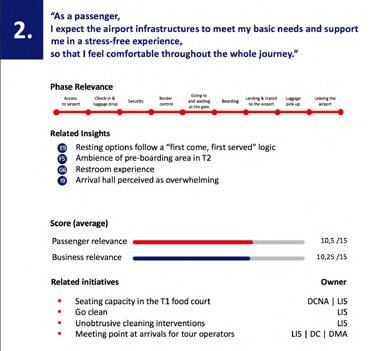
The highest-scoring insights became six strategic focus areas, which we presented to the ANA Board of Directors together with our advice on how to move forward. The research, personas, journey maps and focus areas were handed over to the ANA project team.
The work shaped specific interventions: a screen at security showing waiting times, airport staff placed at key junctions to help passengers find their way, a new path for car pick-up and drop-off, and more.
It was also the first time so many different stakeholders, operational and strategic, internal and external, had been brought into the same conversation around a shared goal, shifting the organisation's perspective from market-driven to passenger-centred.
"This work meets our expectations 100%! You proved to be able to handle complexity. Now it's our turn to prove that we're able to do something with it."