Case study
Understanding Japanese visitors for the EU Pavilion
The challenge
How do you design a European pavilion for visitors in Japan, when you can't assume their expectations, habits or reasons for coming?
My role
I was responsible for understanding the pavilion's audiences and giving the experience concept its creative starting point.
I conducted ethnographic research, studying the Japanese public to define potential audiences and their motivations to visit the EU Pavilion at Expo Osaka.
I also researched Japanese sub-cultures to best understand their channels of communication and identify potential collaborations the pavilion could leverage.
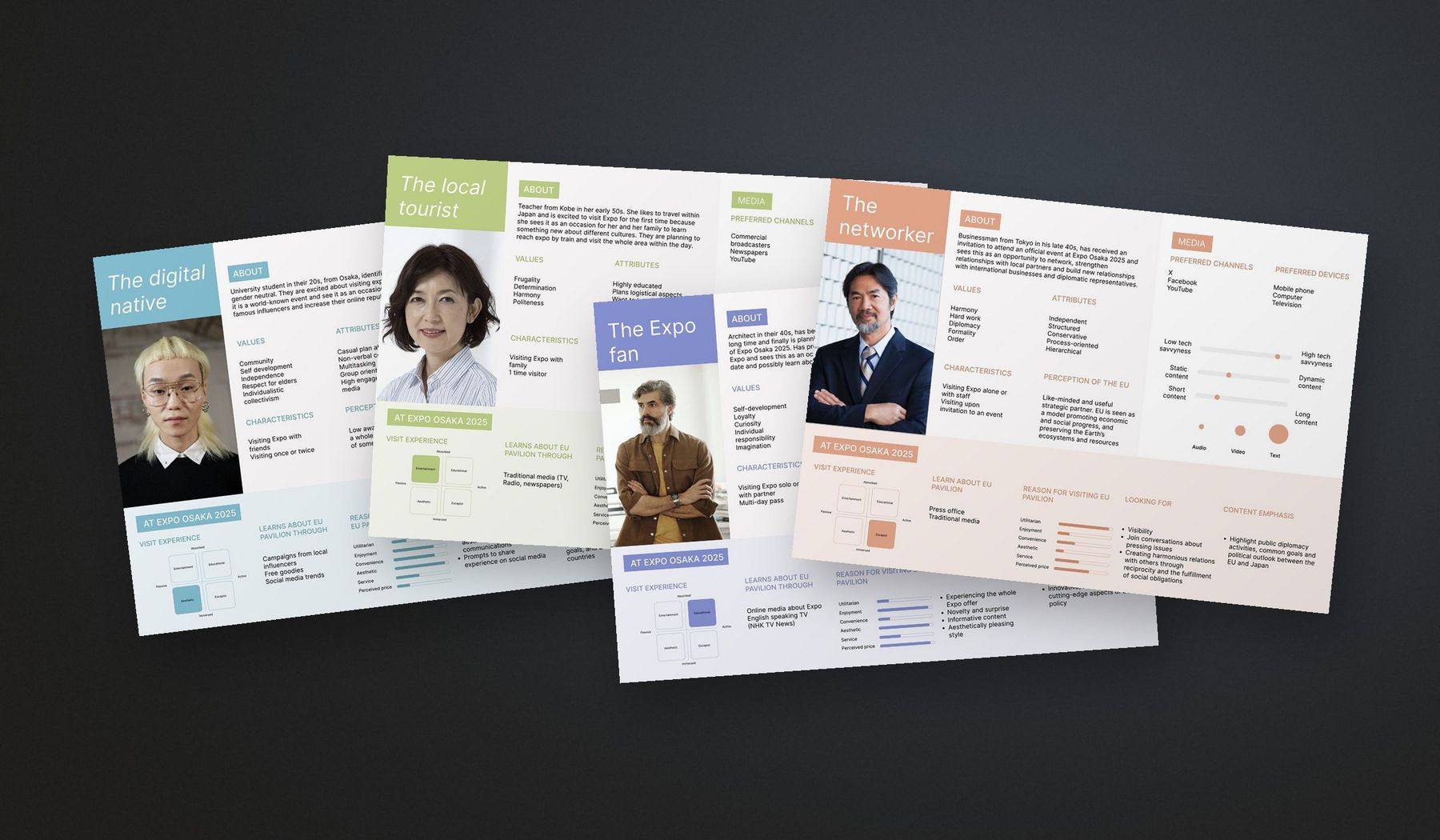
I delivered the resulting personas and insights to the strategy team, and developed a series of moodboards to inform and inspire the pavilion's experience concept.
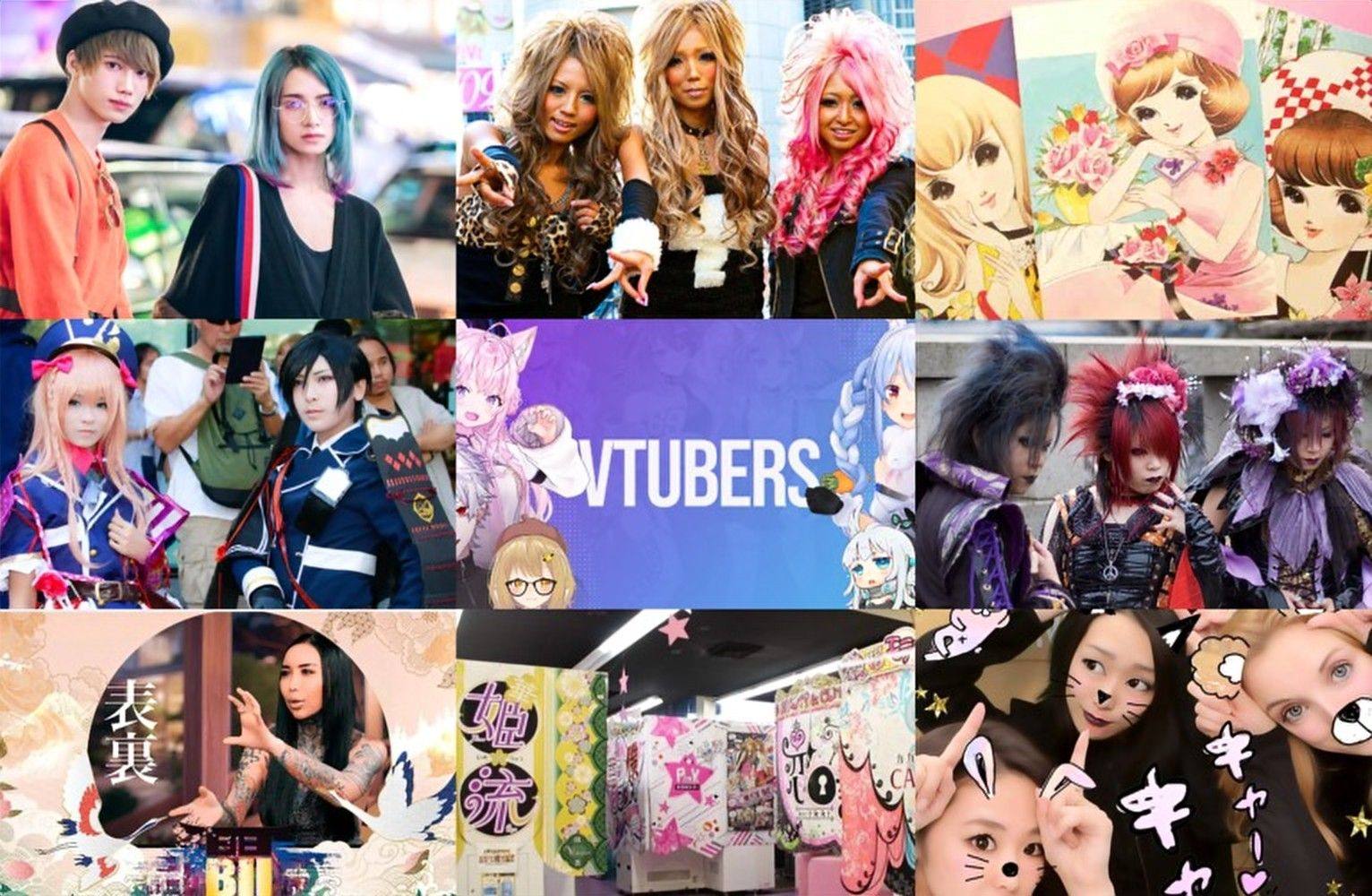
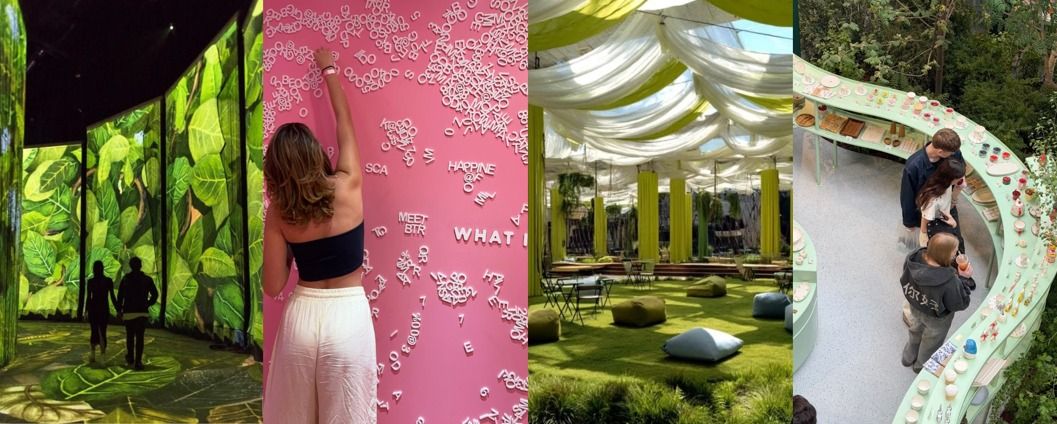
Four visitors
Each persona captures what a visitor values, how they perceive the EU, how they would hear about the pavilion and what they would look for once inside. Together they showed that one pavilion had to work as entertainment for some and as education for others.
Outcome
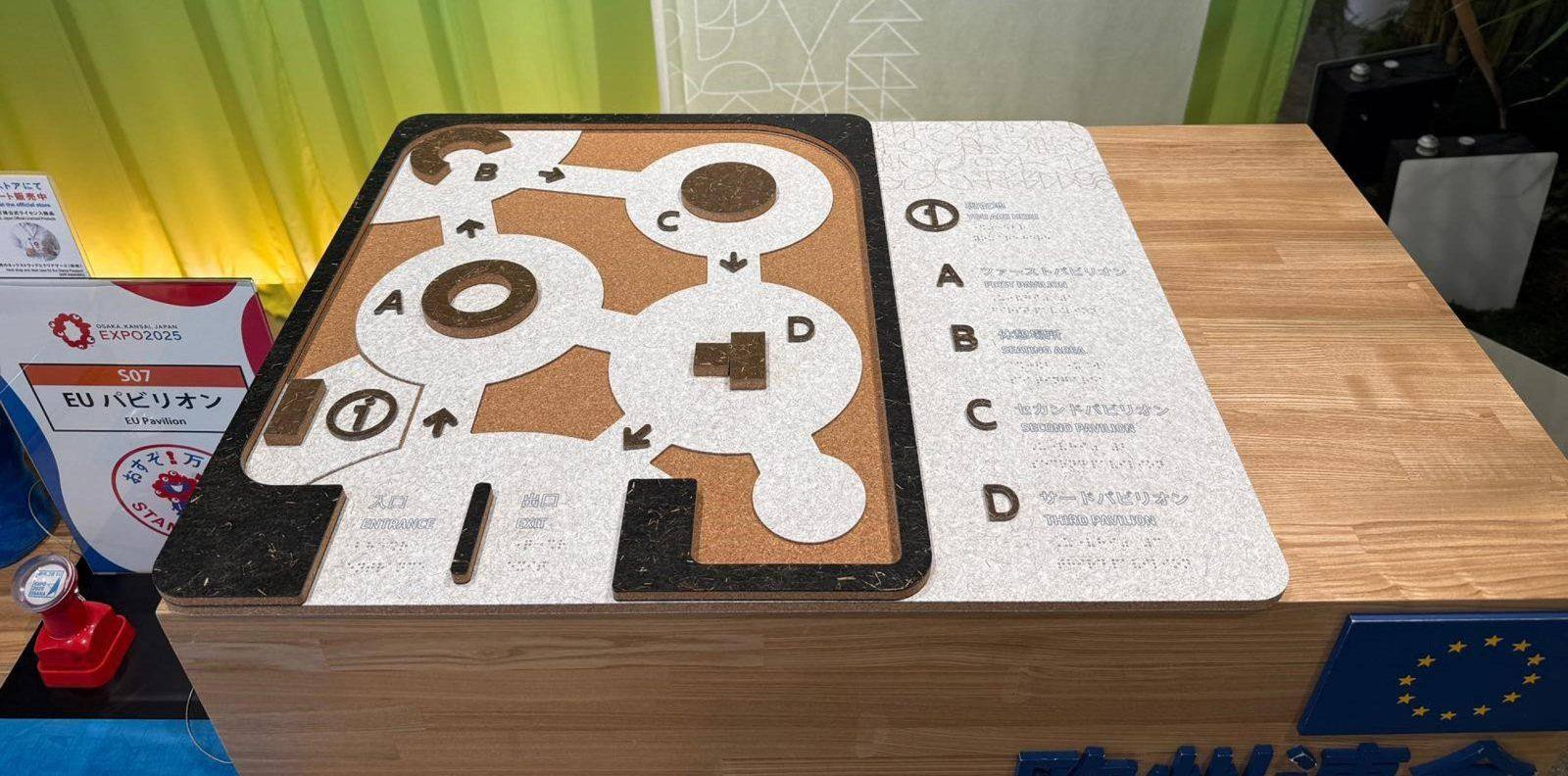
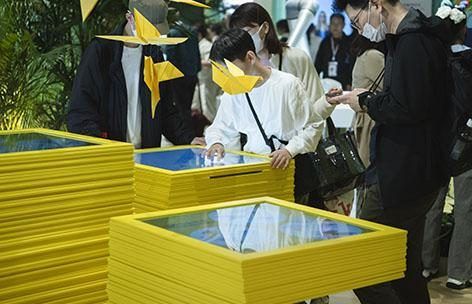
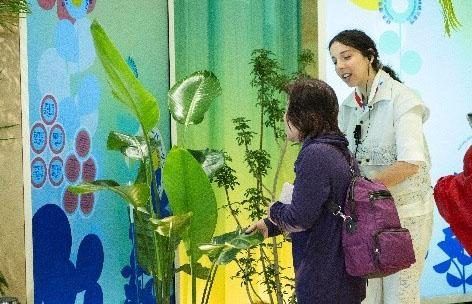
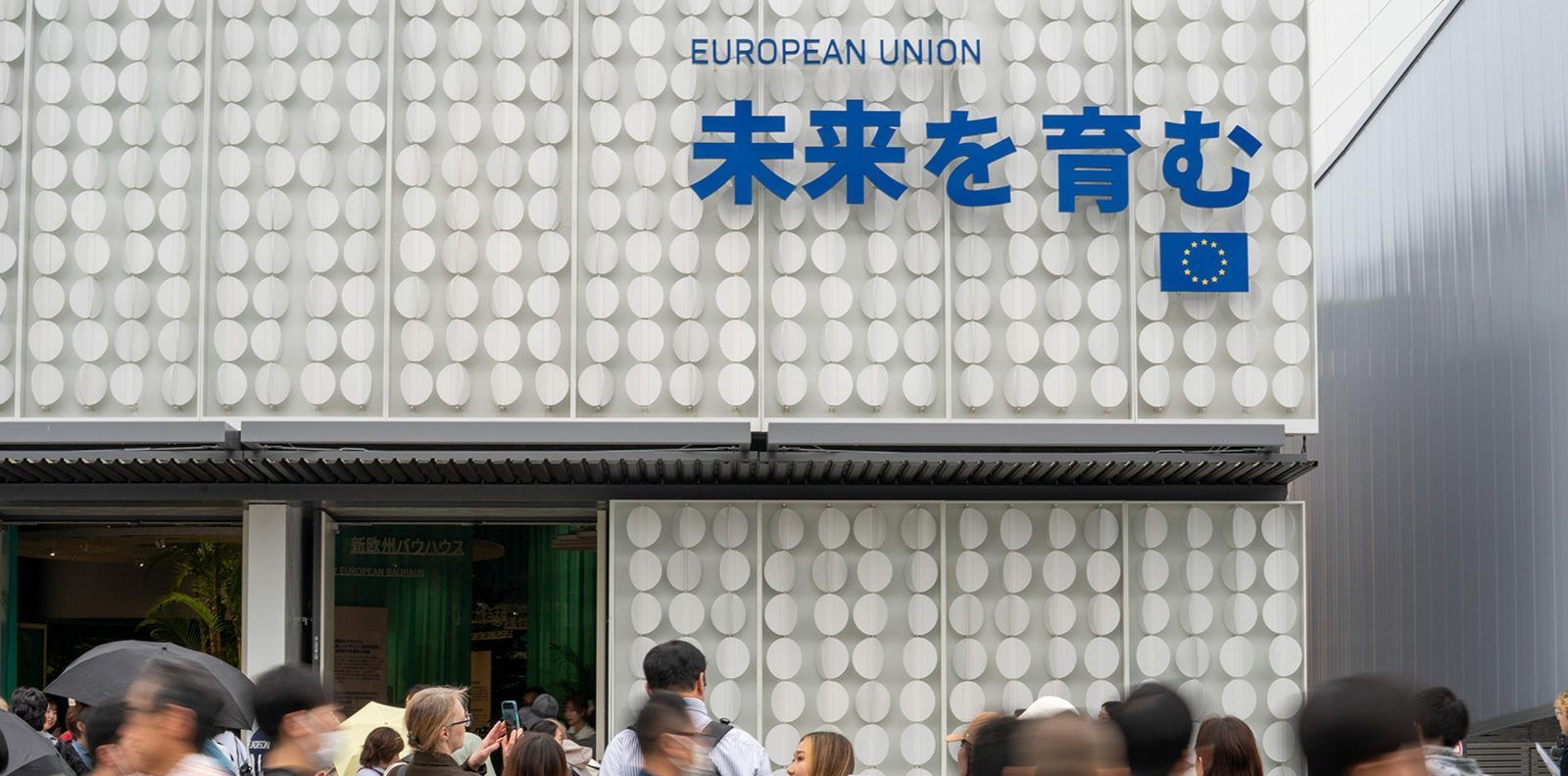
The EU Pavilion was themed "Nurturing Tomorrow" and conceived as a space for discovery, dialogue and interaction. It offered an immersive, nature-inspired experience, built with sustainable materials and elements that evoked the feel of a serene outdoor garden.
Across distinct areas, guests could learn more about Europe and the EU through immersive and creative installations, activities, and talks featuring high-profile speakers.